We're Not Just Playing in Women's Sport, We're Changing The Game That Starts After The Stadium Lights Go Out...

December 5, 2025

I fell in love with sport before I ever understood what it meant.


Before I understood policy, equality, investment, broadcast rights, pathways, or salary caps,
I understood how it
felt.


The feeling of lacing up boots on grass that carried so many stories.
The adrenaline of stepping onto a field that wasn’t built for us, but still held our dreams.
The way girls would shrink themselves to fit in, and then slowly grow as if returning to something they always knew.


I didn’t always play in environments that celebrated women.
But I played in ones that shaped women.


I saw what happens when a girl first hears her name over a loudspeaker.
When she gets her first jersey.
When she steps onto a field that was never meant for us
and still claims every blade of grass.


Sport is where talent and potential starts to grow into voice.
Where competition turns into leadership.
Where “I don’t want to be seen” slowly becomes

“Watch me.”


I’ve seen little sisters turn into captains,
athletes turn into advocates,
players turn into founders, broadcasters, leaders, directors.


Sport, at its best, doesn’t just grow players.
It grows possibility.


We are living inside a turning point

Women's sport is no longer the feature on the sidelines.
It
is the feature.


Girls are not waiting for permission anymore.
And women are not waiting for perfect timing.


We’re not just asking to be included in existing systems.
We’re building new systems alongside them.


We are:

  • Investors.
  • Decision makers.
  • Broadcasters.
  • Founders.
  • Shareholders.
  • Mentors.
  • Movement builders.


We’re not just making teams.
We’re making pathways.


And yet, we must be honest…


While we build, influence, and try to shift sporting systems,
we also need to look after ourselves
and stay connected to women who
understand the emotional cost of equity work.


Because it takes a long time to shift minds
that have never experienced the inequity.


Some people don’t even see the gap,
because they have never had to live without the access.


Think about it.


We have built million-dollar stadiums
that for
years never hosted a single women’s game.


We funded male-only competitions for decades
and called it “nation building.”
But it was only building half the nation.


And now, we offer a new change room and call it equity.


A $200,000 change room does not close a 30-year gap.


So I ask
What would it look like if we reimagined sporting infrastructure
built intentionally for women?


Not just equal,
but fit for purpose
for the way women play, lead, gather, and grow.


Would it even look like the stadiums we currently share?


Would that be radical to build entirely new structures, we are doing it within the company structures, with all these W’s thrown before and after the competition titles?


Because if you really think about it, we built the businesses and the infrastructure, entire facilities, exclusively for men.


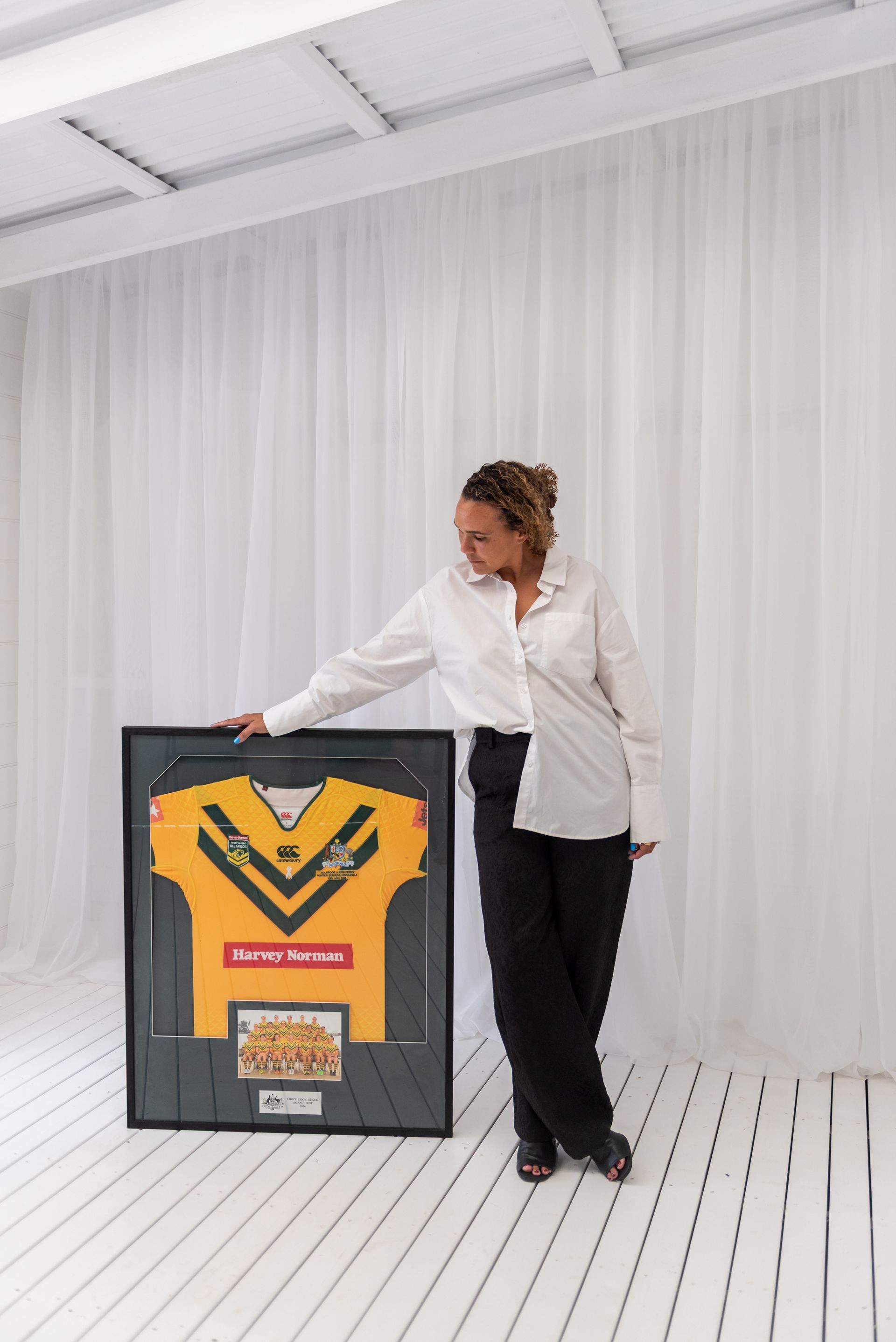
Former athlete Libby Cook-Black driving visibility and leadership pathways for women beyond sport

What Female First is here to do


  • Nurture young women entering the sporting world, so they never have to walk in alone
  • Support athletes to lead themselves authentically, on and beyond the field
  • Stand beside women navigating the complexity of contracts, choices, identity, and transition
  • Guide those moving into leadership, entrepreneurship, coaching, and storytelling roles
  • Help women see that sport is not the end of the story, it is the training ground for what comes next


Sport is not the destination.
It is the launchpad.


Let’s Launch Together!


With Love,

Libb


Share this article

Recent Posts

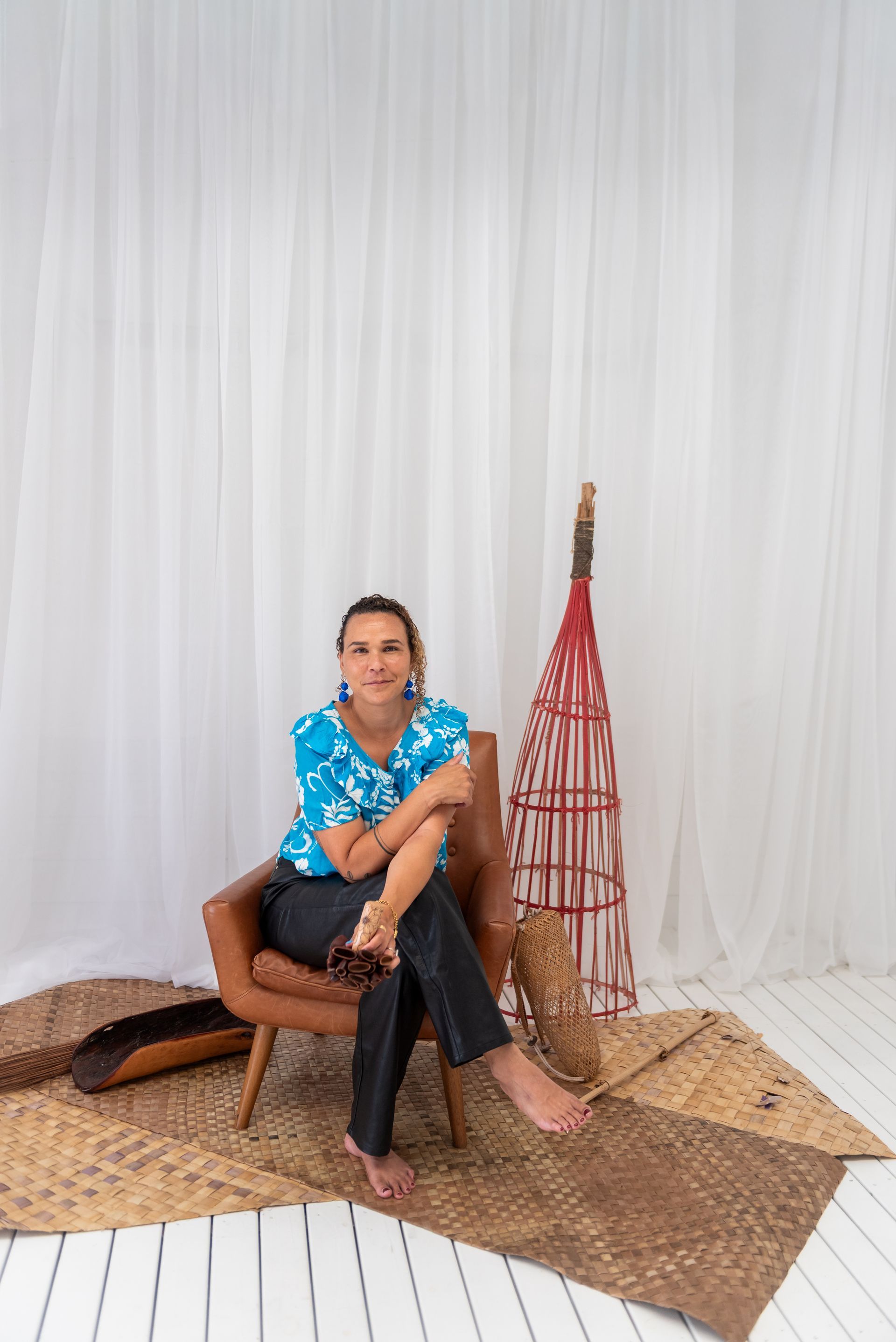
Woman sitting in a chair, wearing blue top and jeans, with woven items in a studio.
By Libby Cook-Black January 25, 2026
Libby Cook-Black, founder of Female First talks on her thoughts around good weeks and reframe weeks.
Woman in black outfit sits in a chair, holding camera, against white backdrop.
By Libby Cook-Black January 23, 2026
The most powerful stories aren’t always true — they’re repeated. A reflection on belief, identity, and releasing narratives that no longer serve you.
Woman with curly hair wearing red and white earrings, looking to the side near a colorful painting.
By Libby Cook-Black January 16, 2026
A reflection on jealousy, belonging, and networks — and how noticing what others have can show women what we’re capable of building too.
Woman holding a microphone and a laptop, standing in front of a white curtain and in a white room.
By Libby Cook-Black January 9, 2026
You don’t become who you want to be by imitation — but by proximity. Why your network shapes your standards, belief, and net worth.
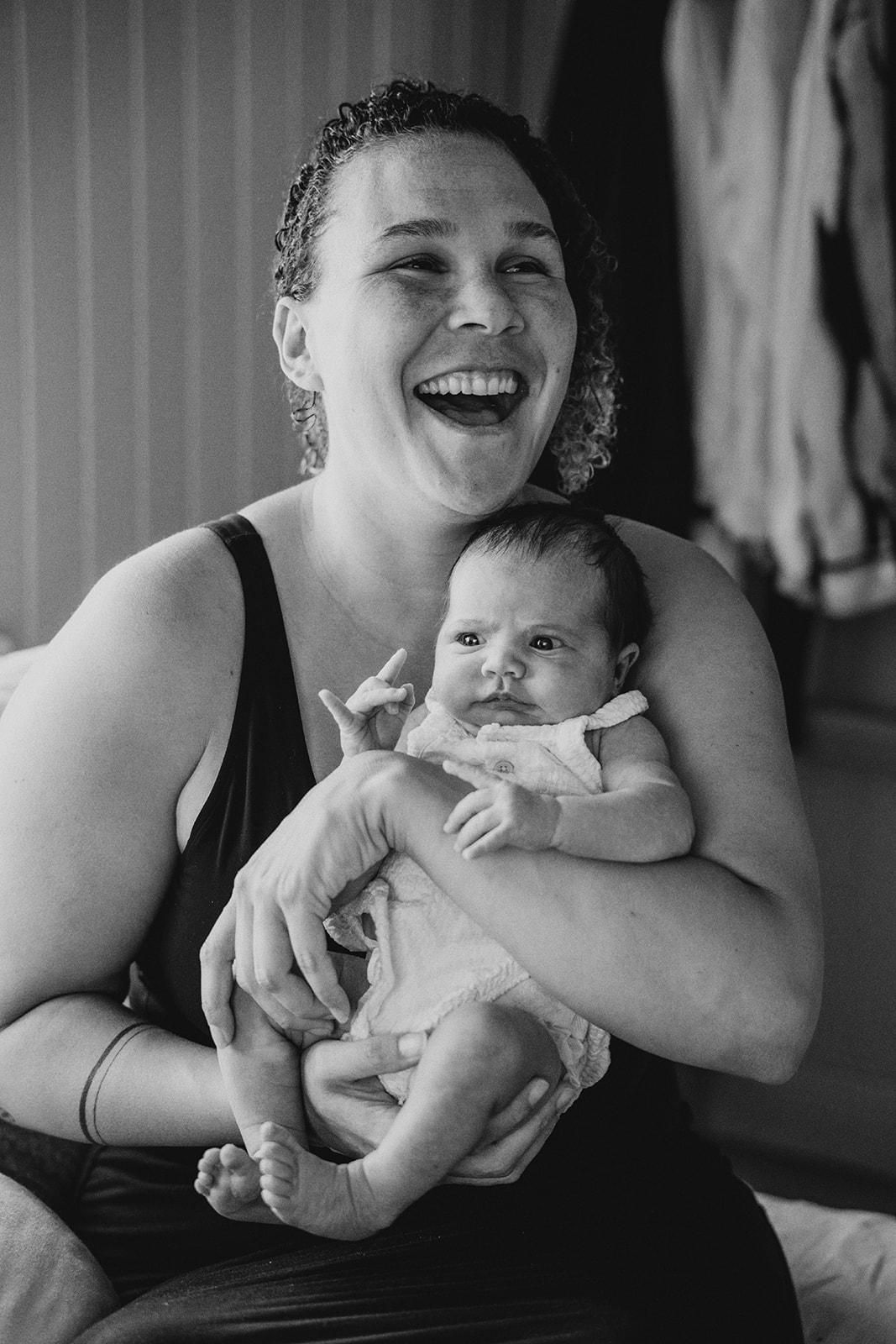
Image of Libby Cook-Black with her daughter
By Libby Cook-Black January 2, 2026
Boundaries aren’t betrayal — they’re architecture. A personal essay on identity, healing, and how your story follows you into sport, work, and life.
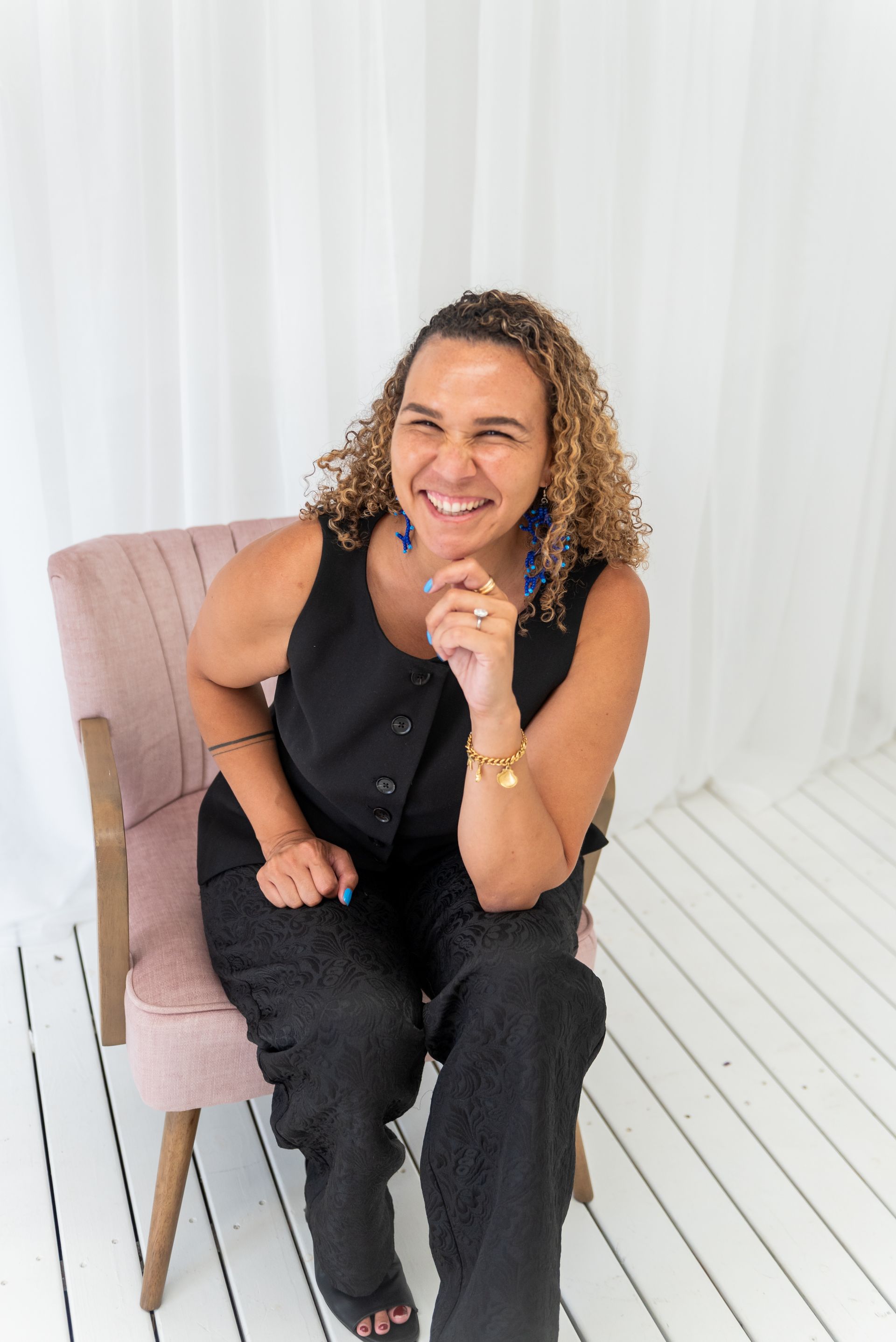
Libby Cook-Black sits smiling in pink chair. White background
By Libby Cook-Black December 26, 2025
A reflection on why women don’t need more preparation — just connection. How community, visibility, and shared support help women start where they are.
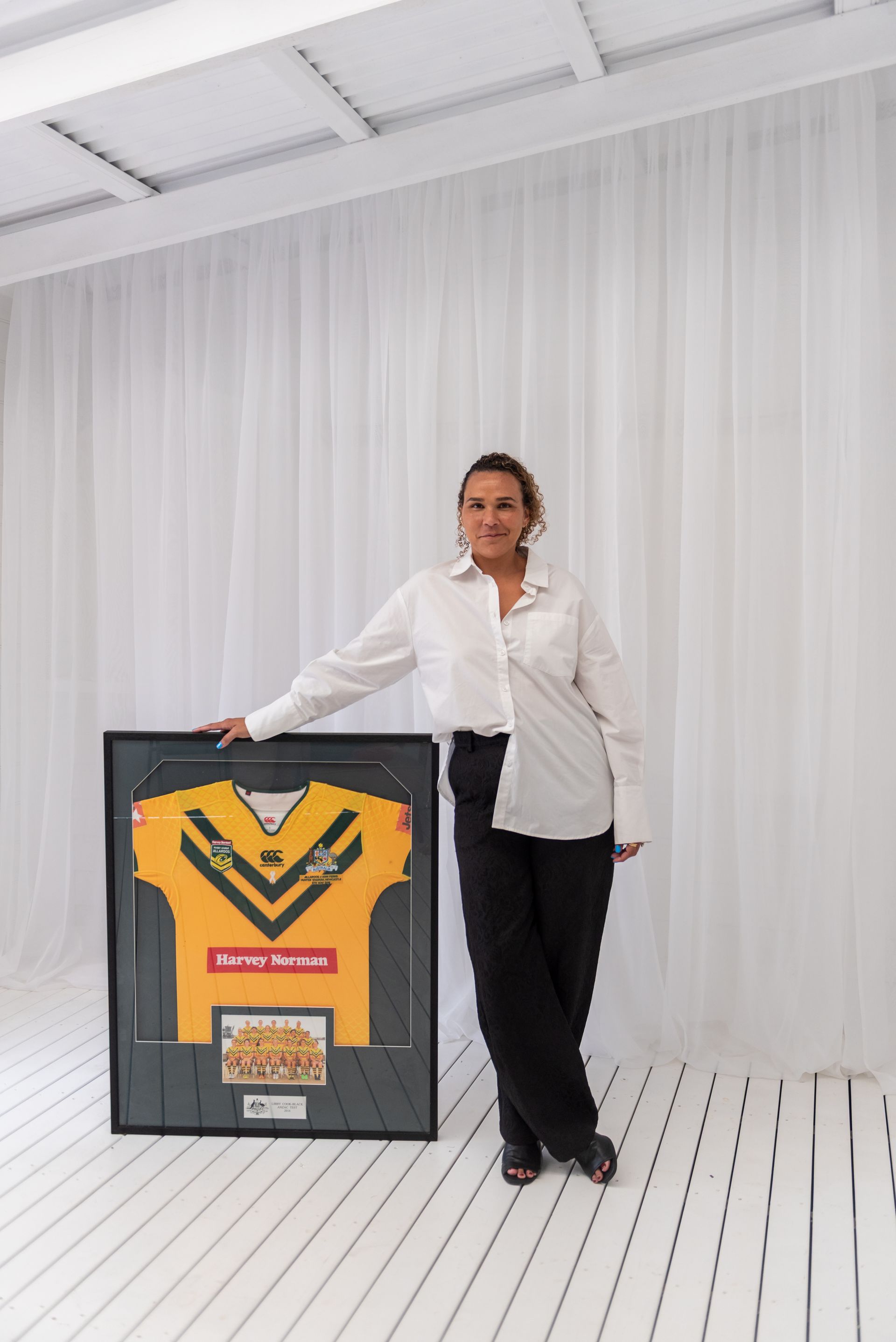
Libby Cook-Black reflecting on her journey in rugby league — the passion, pain, and personal growth it sparked
December 19, 2025
I adore this game. Truly. I wish I had more time in it. I wish little-girl me had the chance to play it when my feet and dreams were still growing. I wish I had a longer career, more seasons, more jerseys, more moments on that grass. Because for where I come from, rugby league is more than sport. It is identity, belonging, healing. It holds stories, families, and memories of those we’ve lost. It unites communities in a way that feels almost spiritual. But I cannot write about the passion without telling the truth about the pain. Because rugby league, for me, carries both. I’ve seen the beauty of this game, the pride of watching entire communities gather to bless jerseys, cook meals, sew banners, and honour those who came before us. But I’ve also felt the other side, the side no one puts in the highlight reels. The side where celebrations turned into chaos. Where alcohol fuelled more than just team songs. Where violence crept into the spaces that were meant to be safe. Where pain wasn’t just in the losses on the field — but the ones that happened after the final whistle. I can’t write this pretending I’ve always stood outside it. There were times I was in those spaces too, sometimes trying to belong, other times trying to avoid feeling the weight of old memories. Sometimes I found healing in the sport. Sometimes I hid inside it. Sport can be both, a place to heal and a place to hide. That’s the truth I’ve come to hold with compassion. And as much as I love this game, I’ve had to admit something to myself It hasn’t always loved women back. Not in the changerooms. Not in the policies. Not in the leadership. Not always in the culture. I don't think I'm alone when I say that while women’s sport is booming, the emotional intelligence of the industry has not grown at the same pace. We have better stadiums, better sponsorships, better jerseys but I still haven’t met many women in sport who say they feel truly at home in it. That’s why I care so deeply about the work I do now. Because building equity in women’s sport isn’t just about facilities, funding, and pathways. It's about building safer spaces, emotionally, mentally, culturally. Spaces where women can step into leadership without feeling they must harden to survive it. Spaces where athletes, coaches, administrators and founders can tell the truth about what this industry costs, and also what it gives. We cannot build a stronger future for women in sport without first asking: How do we take care of the women building it? We need spaces where we can do more than play. Where we can feel. Where we can be honest. Where we can stay soft and still stand strong. Where we don’t just endure the system, we redesign it. One space won’t be enough for all of us. So, we build many. We build healing spaces. Learning spaces. Leadership spaces. Spaces where women can be exact versions of themselves, fierce, tired, joyful, grieving, disciplined, hopeful, and still becoming. That, to me, is why I do this work. 💌 If you’ve ever loved sport deeply and also felt the sting of it If you’ve found your strength because of it but sometimes had to protect your heart from it You are not alone. With Love, Libb
Person in white shirt and black pants holding a dark notebook, standing near a table with a microphone. White backdrop.
December 12, 2025
For so long, Australians have been told that First Nations people were “nomadic”, drifting across the continent without any real pattern, purpose, or governance.
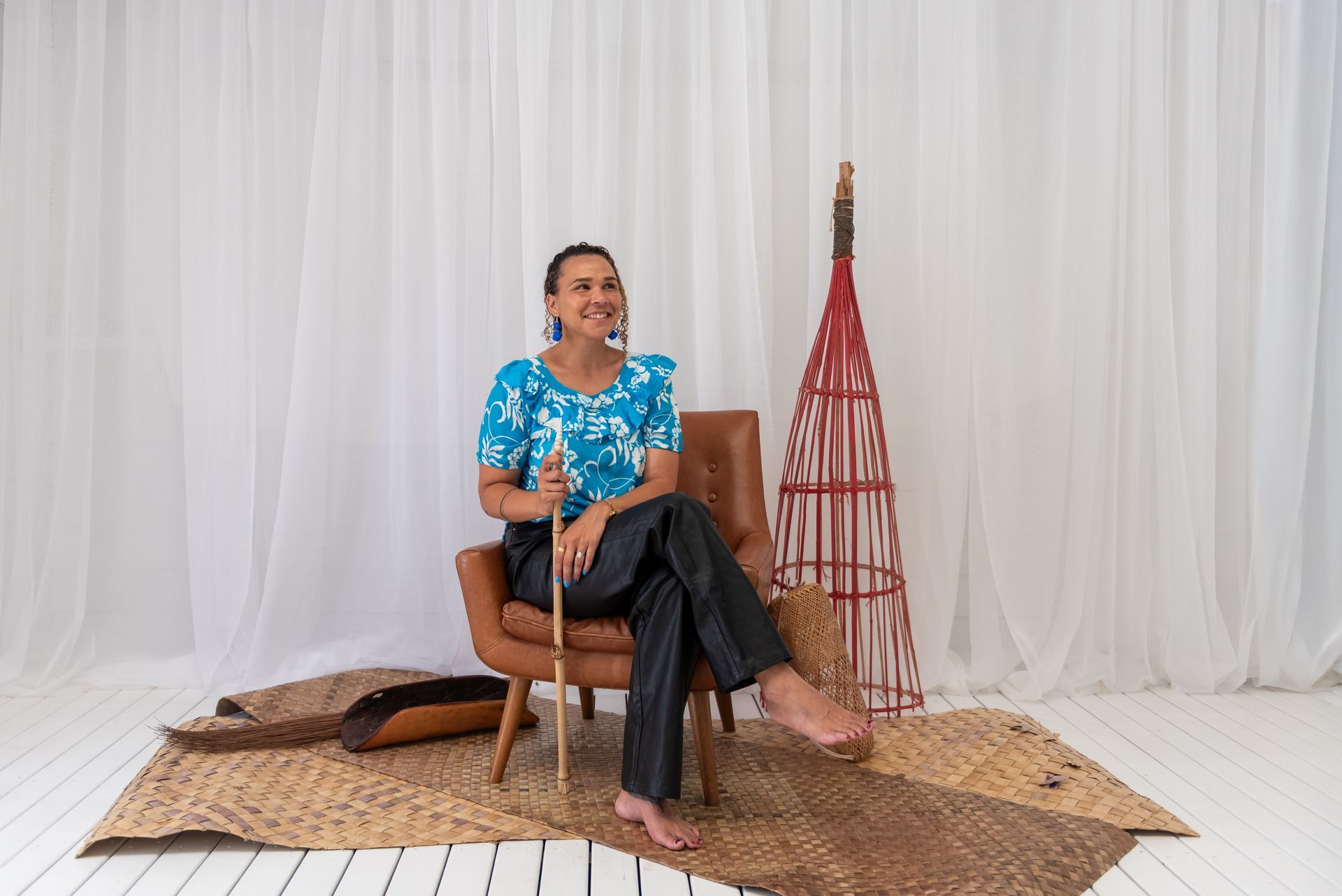
Female First founder Libby Cook-Black combining lived experience and generational knowledge in leadership
November 21, 2025
I built my companies using first nations knowledge systems.

Show More