I adore this game. Truly.
I wish I had more time in it.
I wish little-girl me had the chance to play it when my feet and dreams were still growing.
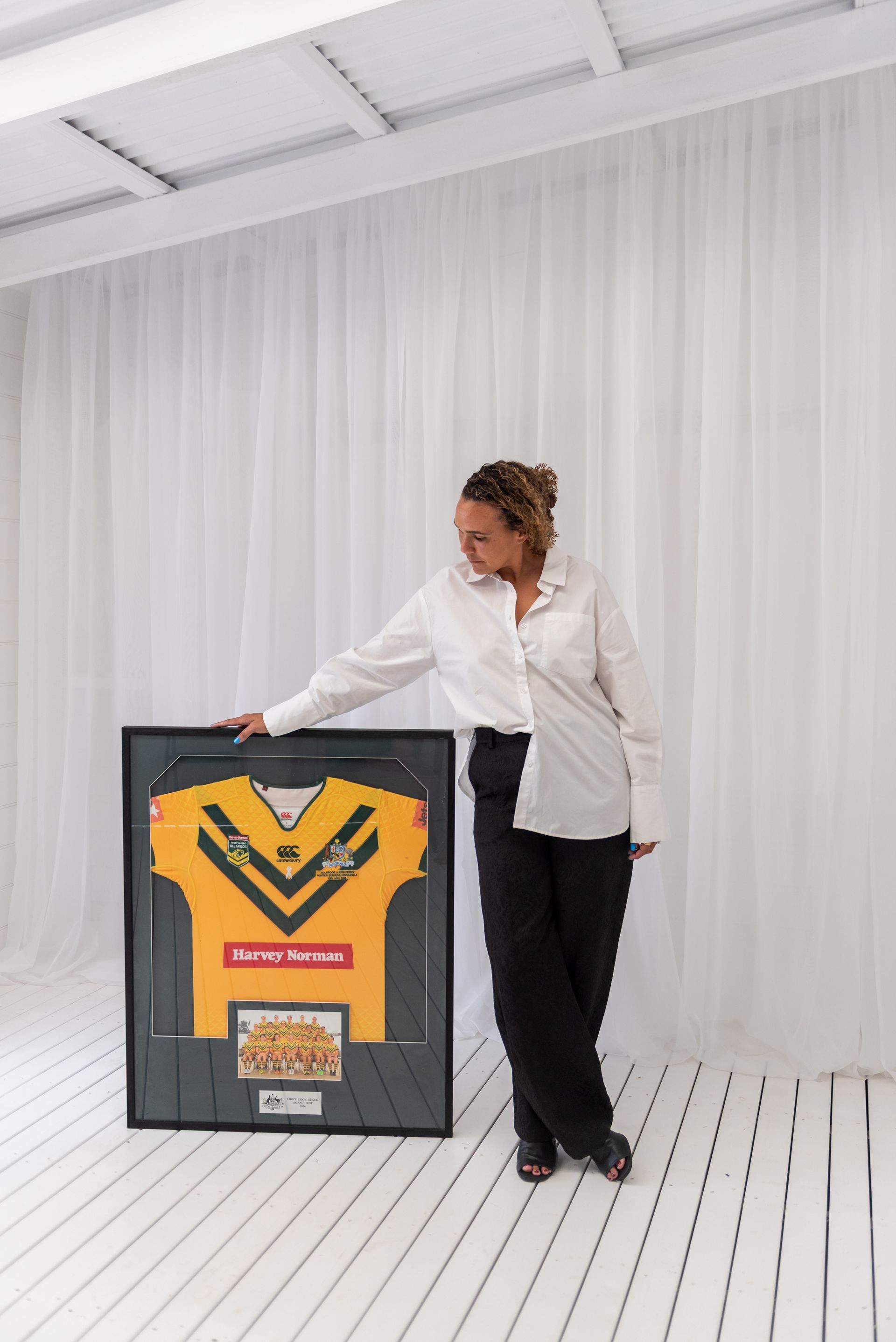
I wish I had a longer career, more seasons, more jerseys, more moments on that grass.
Because for where I come from, rugby league is more than sport.
It is identity, belonging, healing.
It holds stories, families, and memories of those we’ve lost.
It unites communities in a way that feels almost spiritual.
But I cannot write about the passion without telling the truth about the pain.
Because rugby league, for me, carries both.
I’ve seen the beauty of this game, the pride of watching entire communities gather to bless jerseys, cook meals, sew banners, and honour those who came before us.
But I’ve also felt the other side, the side no one puts in the highlight reels.
The side where celebrations turned into chaos.
Where alcohol fuelled more than just team songs.
Where violence crept into the spaces that were meant to be safe.
Where pain wasn’t just in the losses on the field — but the ones that happened after the final whistle.
I can’t write this pretending I’ve always stood outside it.
There were times I was in those spaces too, sometimes trying to belong, other times trying to avoid feeling the weight of old memories.
Sometimes I found healing in the sport.
Sometimes I hid inside it.
Sport can be both, a place to heal and a place to hide.
That’s the truth I’ve come to hold with compassion.
And as much as I love this game, I’ve had to admit something to myself
It hasn’t always loved women back.
Not in the changerooms.
Not in the policies.
Not in the leadership.
Not always in the culture.
I don't think I'm alone when I say that while women’s sport is booming, the emotional intelligence of the industry has not grown at the same pace.
We have better stadiums, better sponsorships, better jerseys
but I still haven’t met many women in sport who say they feel truly at home in it.
That’s why I care so deeply about the work I do now.
Because building equity in women’s sport isn’t just about facilities, funding, and pathways.
It's about building safer spaces, emotionally, mentally, culturally.
Spaces where women can step into leadership without feeling they must harden to survive it.
Spaces where athletes, coaches, administrators and founders can tell the truth about what this industry costs, and also what it gives.
We cannot build a stronger future for women in sport without first asking:
How do we take care of the women building it?
We need spaces where we can do more than play.
Where we can feel.
Where we can be honest.
Where we can stay soft and still stand strong.
Where we don’t just endure the system, we redesign it.
One space won’t be enough for all of us.
So, we build many.
We build healing spaces. Learning spaces. Leadership spaces.
Spaces where women can be exact versions of themselves, fierce, tired, joyful, grieving, disciplined, hopeful, and still becoming.
That, to me, is why I do this work.
💌 If you’ve ever loved sport deeply
and also felt the sting of it
If you’ve found your strength because of it
but sometimes had to protect your heart from it
You are not alone.
With Love,
Libb