Demythifying The "Nomad" Misunderstanding: Movement Is Never Random

December 12, 2025

Written from Waibene (Thursday Island), on the beautiful Country of the Kaurareg people.

For so long, Australians have been told a story that never belonged to us — that Aboriginal and Torres Strait Islander people were “nomadic”, drifting across the continent without any real pattern, purpose, or governance.


But in the last decade, we’ve begun to hear… loudly and clearly… what our communities have always known:


The data now confirms what our Old People practised for tens of thousands of years:
we were not aimless wanderers.
We moved in alignment with Country, guided by
seasonal calendars, trade routes, kinship obligations, maritime pathways, astronomical markers, law, and deep governance systems.


Our movement was not random.
It was regulated.
It was purposeful.
It was sophisticated.


And somehow… I didn’t fully understand just how deeply that truth lived inside me until I began building businesses. 


My entire purpose for building business is to be able to work from the beaches of the Straits, the red dirt of the Cape, the city board rooms, whilst still putting food on the table. I don’t want to have to choose western economy over learning my cultural economy any longer. 


I always knew I would end up here, I didn’t know what here looked like, but I knew I had to find a way to bring myself home when I needed it, when my family needed. 

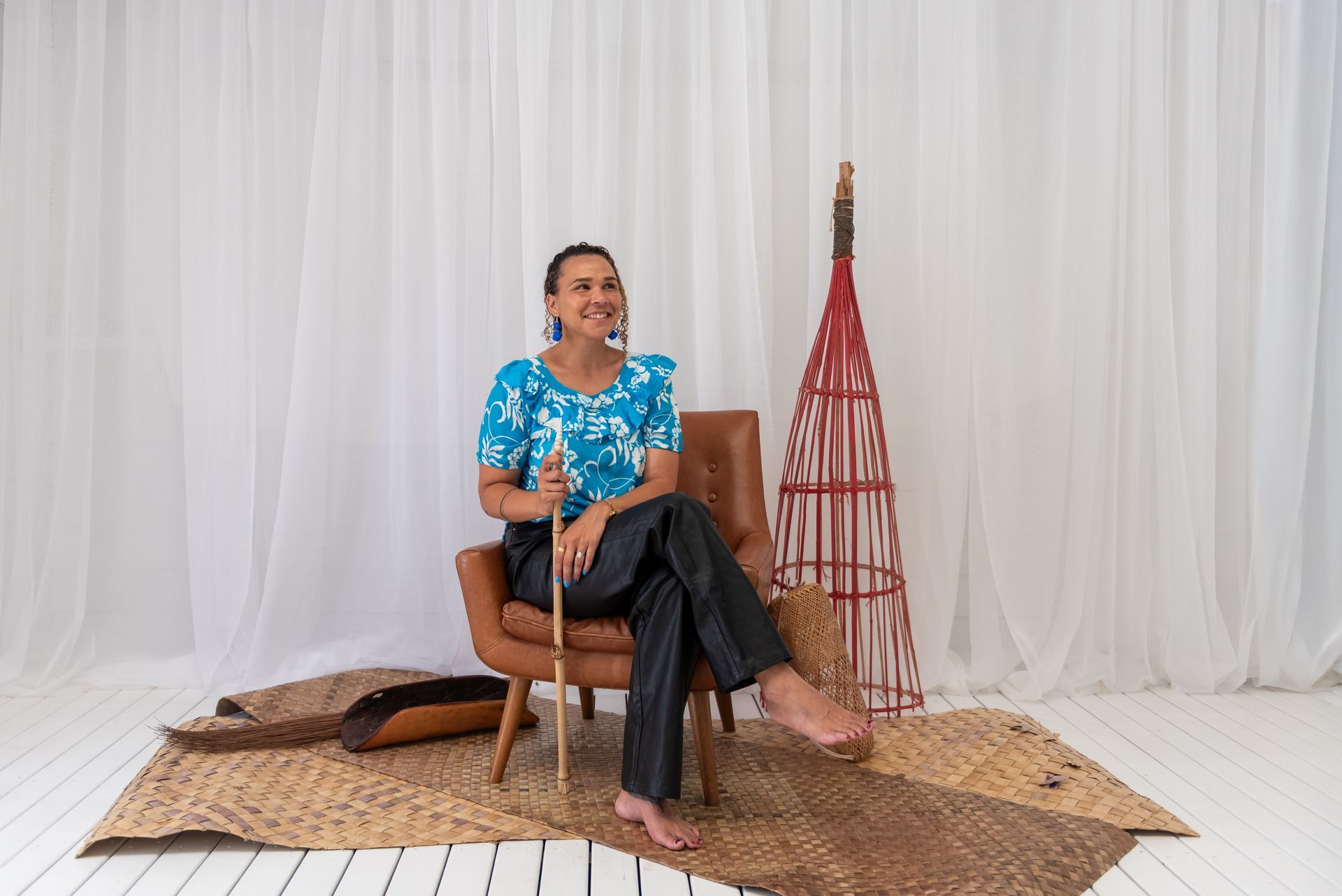
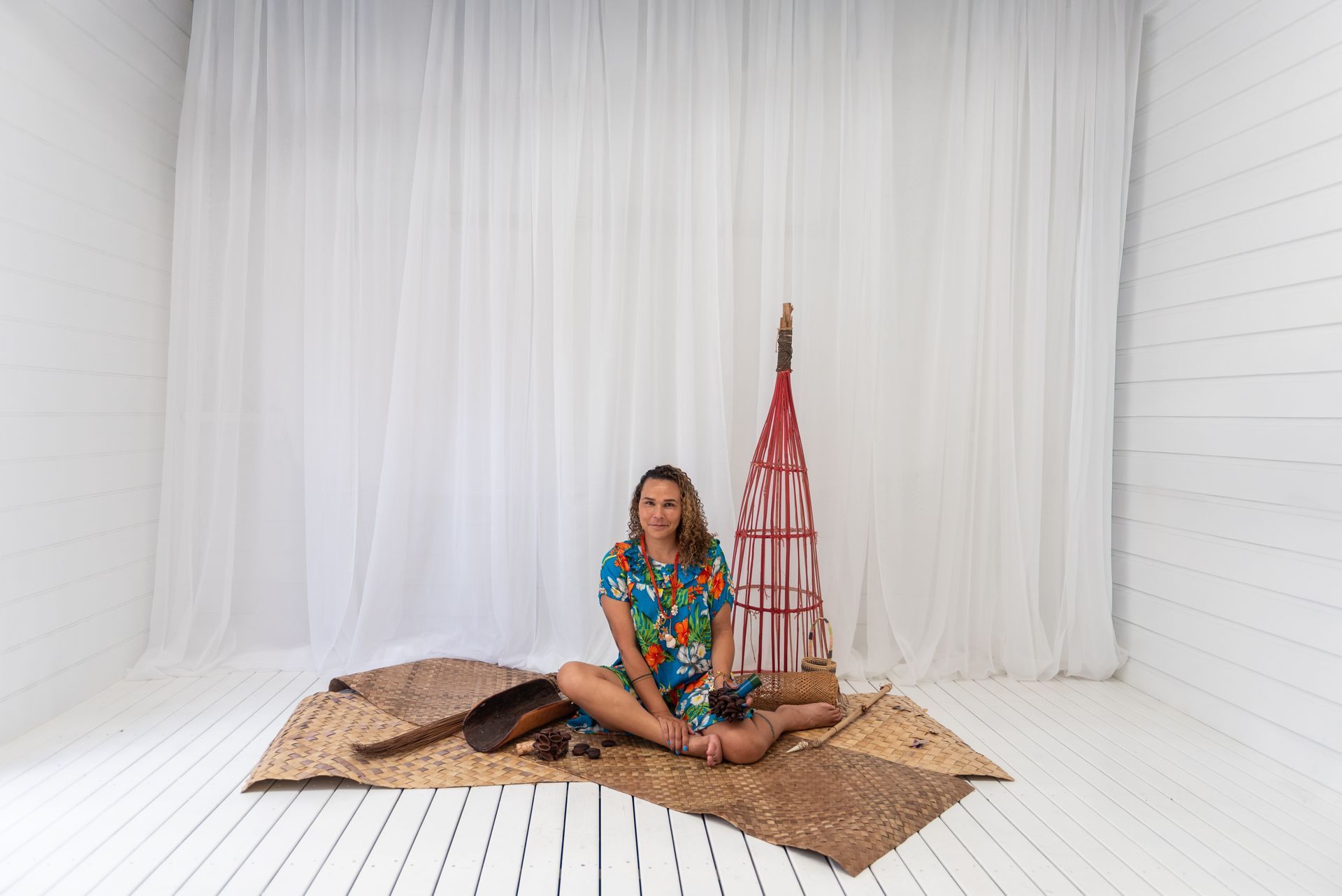
Woman sits cross-legged on mat; white background; art structure in red and brown; floral dress.

“As I get clearer on how I find my way home, I realise I am moving like my ancestors did, with purpose, with seasons.”

This year, especially, something has shifted in me.
I am starting to see myself through the same lens of movement that shaped our Old People.


Not “nomadic”.
Not wandering.
But
answering seasons.


I realise now that the way I move between:

  • red dirt Country
  • sea Country
  • and the city

…is not chaos.
It’s
continuity.


I’m not travelling to escape anything, I’m travelling to maintain everything that matters to me:

  • the identity of my children
  • my connection to community
  • my responsibility to kin
  • and my ability to provide for my family


My Old People hunted turtle, dugong, crayfish, to feed their families, to trade, maintain relations.


I’m hunting opportunities.


Not for survival in the traditional sense, but also to put food on the table, secure a home, build a business, and create a legacy for my children.


same purpose.

different tools.

same responsibility.

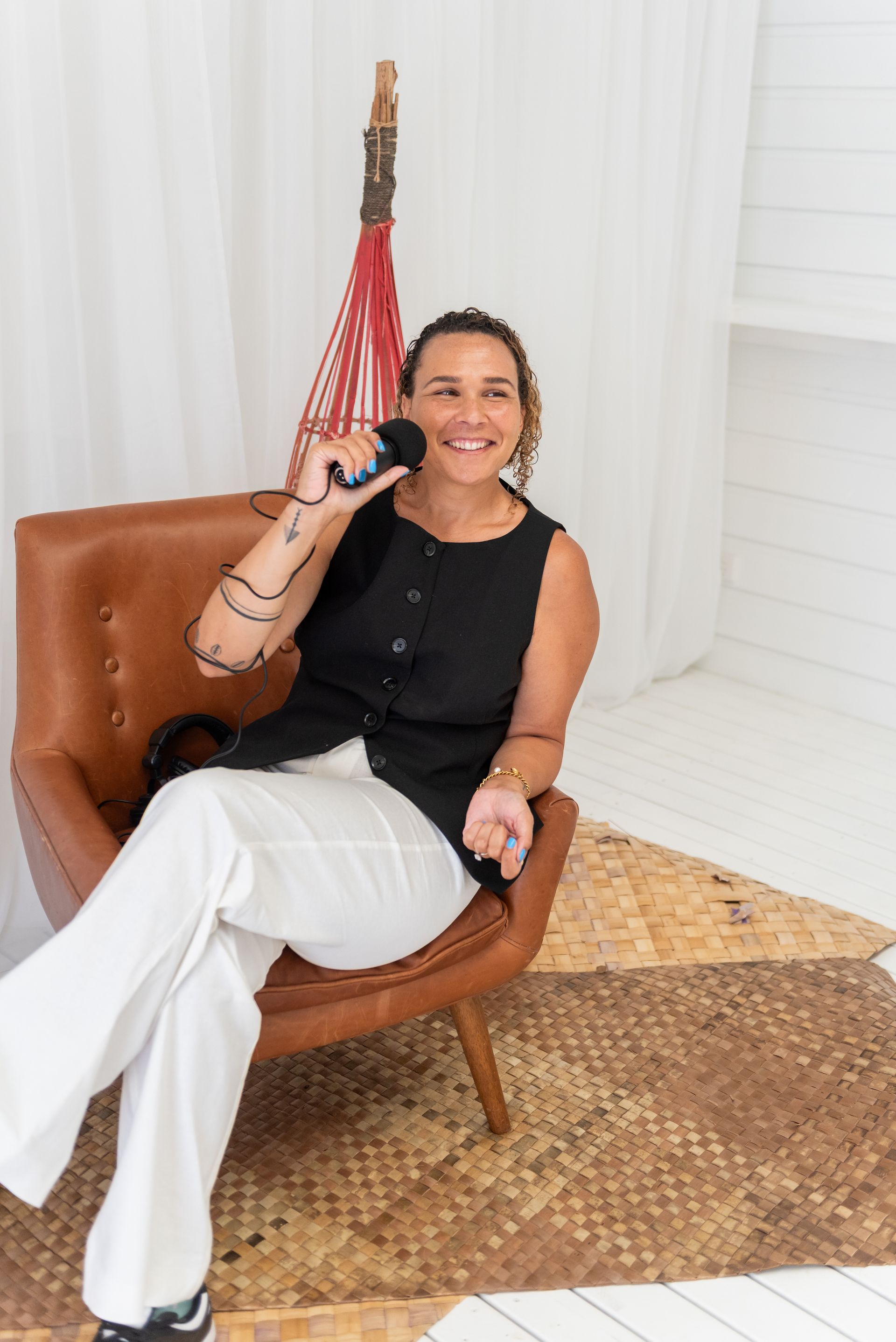
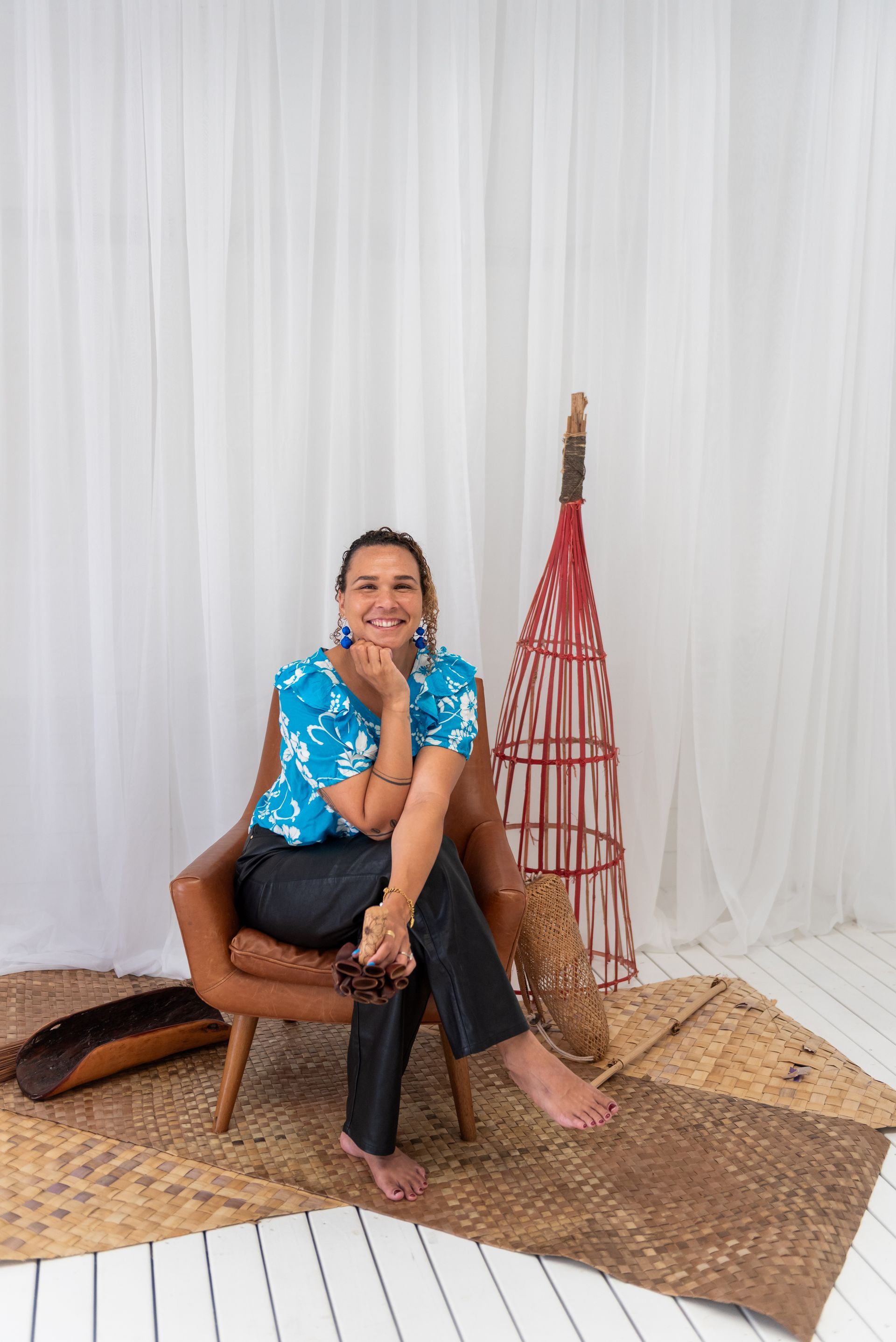
Woman sitting in chair, smiling. Wearing blue top and black pants. Indoors with decorative woven objects.

THE WESTERN SYSTEM HAD TO BEND TO MY CULTURAL SYSTEM, NOT THE OTHER WAY AROUND

I had to get honest with myself about something:
a 9–5 job could never hold the way my life moves.


Community meetings at midday.
Cultural protocol and practices (funerals, A LOT of funerals, tombstones etc) that don’t fit neatly into annual leave entitlements.
The reality of raising young children, especially when “leave” often gets eaten by daycare sickness (if you know, you know).
Opportunities that come from being physically present in community, not tied to a desk.


So, I built Female First, and every other business since then, because I needed a Western structure that allowed me to live by cultural logic:


To be:

  • in community or nearby,
  • with community when called upon,
  • and working on myself, to be able to balance it all

While also creating wealth without apology for it, because we deserve to create abundance for ourselves and to leave for our children.


This is what economic empowerment looks like when it’s culturally aligned.

our old people did this first

When I travel between sea Country, red dirt Country and the city, I think about the systems my ancestors lived within, the ones data is only now catching up to:


  • long-distance trade networks
  • diplomatic negotiations between clan groups
  • seasonal movement guided by environmental knowledge
  • structured governance and jurisdiction
  • shared resource management
  • kinship-based agreements for travel, marriage, ceremony, and trade


And I realise:


I am not doing anything new.
I am doing what my Old People have always done, moving in accordance with culture, responsibility, and survival.


The difference is that today, instead of hunting by spear or navigating by stars, I’m navigating economic systems, business opportunities, governance structures, and new models of community prosperity.


But the intention is the same:


Find the resources we need.
Protect our families.
Strengthen our communities.
And leave the next generation better than the last.

This is how I find my way home

I am not “nomadic”.
My family is not drifting.
My children are not growing up disconnected or confused.


We are moving the way our ancestors moved:


  • with season
  • with purpose
  • with responsibility
  • with governance
  • with clarity


And every time I land on Country, whether it’s red dirt or saltwater, I can feel the alignment between the old world and the new one.


Movement was never our deficit.
Movement was always our design.


And now, as the next generation, it’s our turn to continue that design through the systems we build, the businesses we lead, and the legacy we leave in the hands of our children.


Share this article

Recent Posts

Woman sitting in a chair, wearing blue top and jeans, with woven items in a studio.
By Libby Cook-Black January 25, 2026
Libby Cook-Black, founder of Female First talks on her thoughts around good weeks and reframe weeks.
Woman in black outfit sits in a chair, holding camera, against white backdrop.
By Libby Cook-Black January 23, 2026
The most powerful stories aren’t always true — they’re repeated. A reflection on belief, identity, and releasing narratives that no longer serve you.
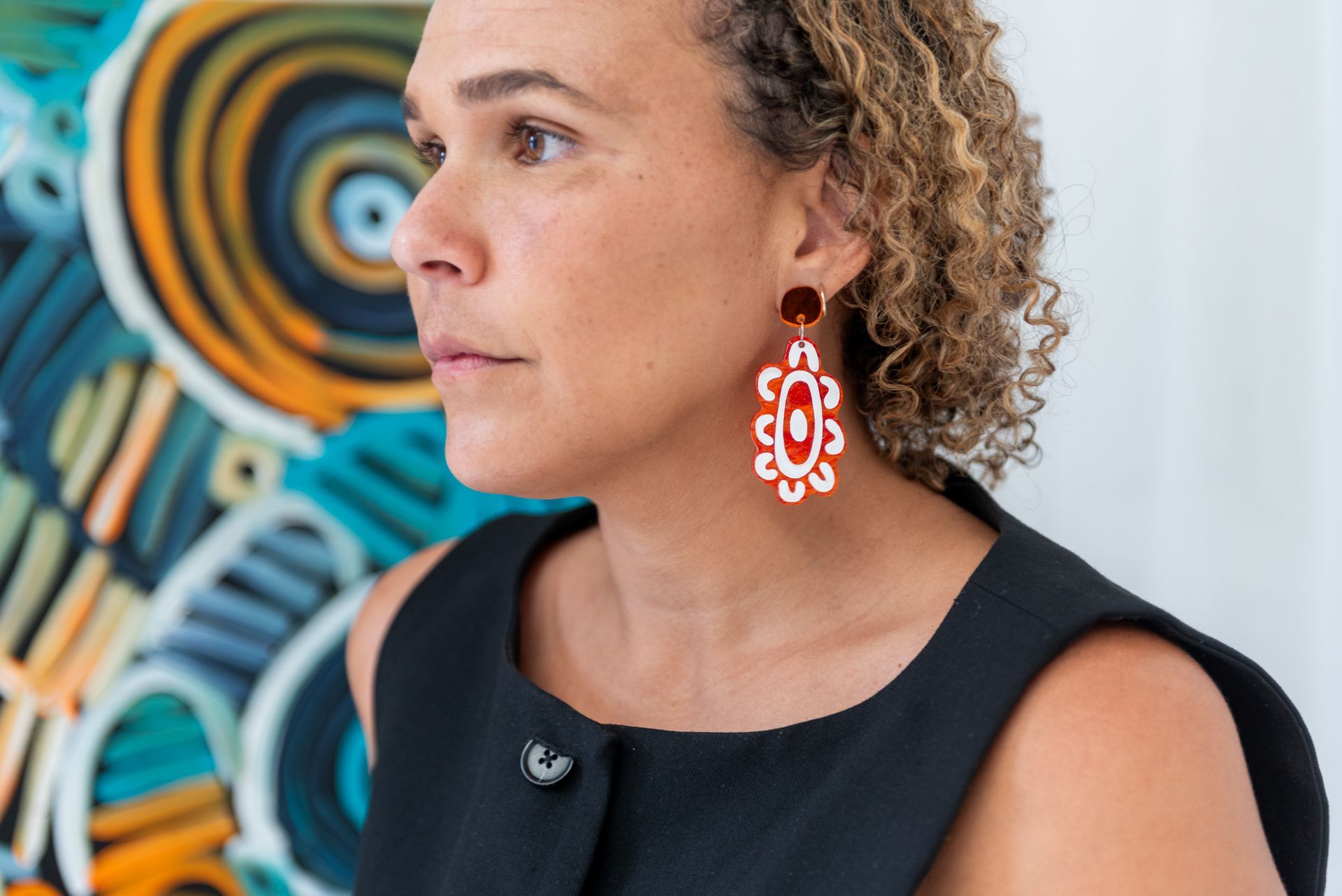
Woman with curly hair wearing red and white earrings, looking to the side near a colorful painting.
By Libby Cook-Black January 16, 2026
A reflection on jealousy, belonging, and networks — and how noticing what others have can show women what we’re capable of building too.
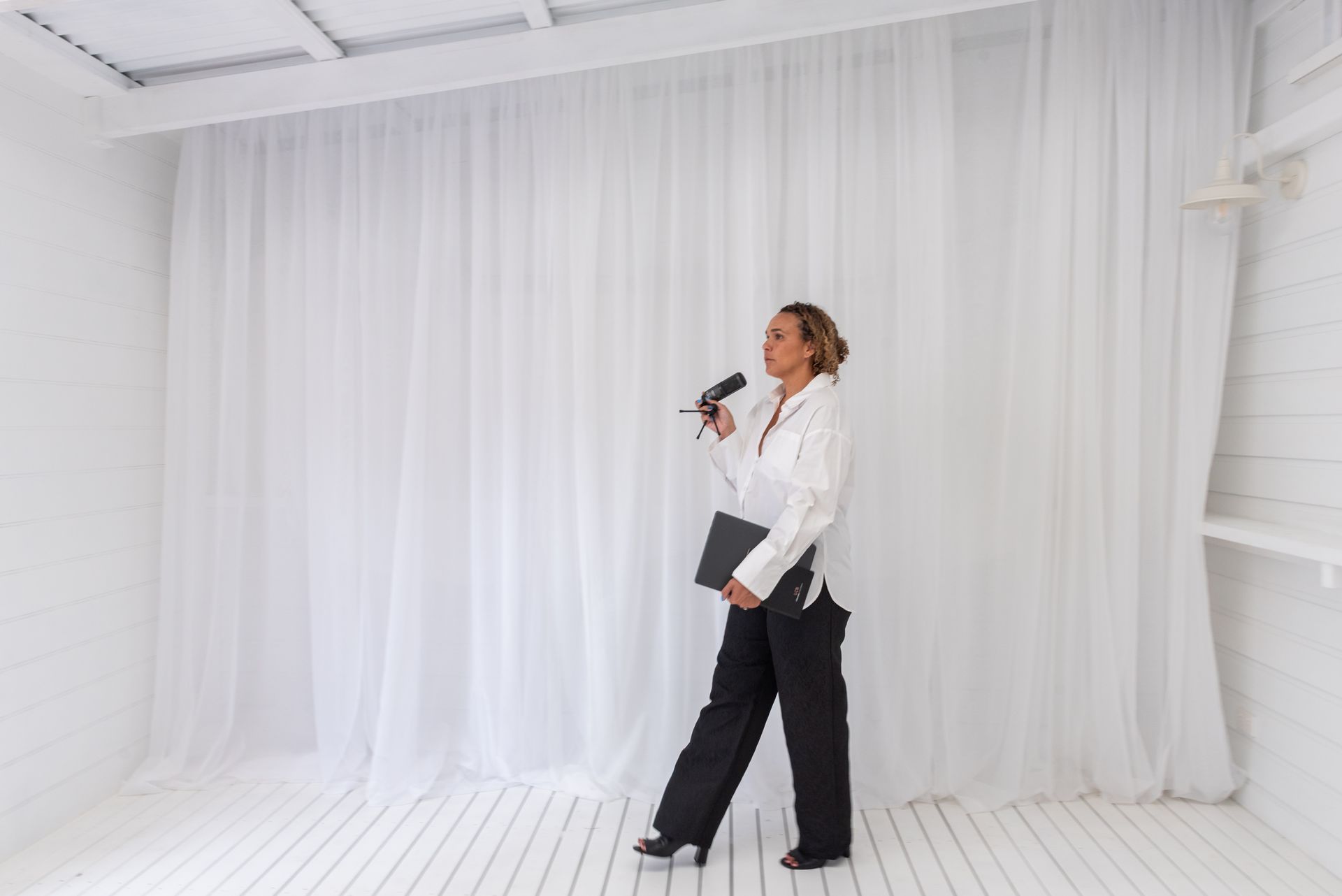
Woman holding a microphone and a laptop, standing in front of a white curtain and in a white room.
By Libby Cook-Black January 9, 2026
You don’t become who you want to be by imitation — but by proximity. Why your network shapes your standards, belief, and net worth.
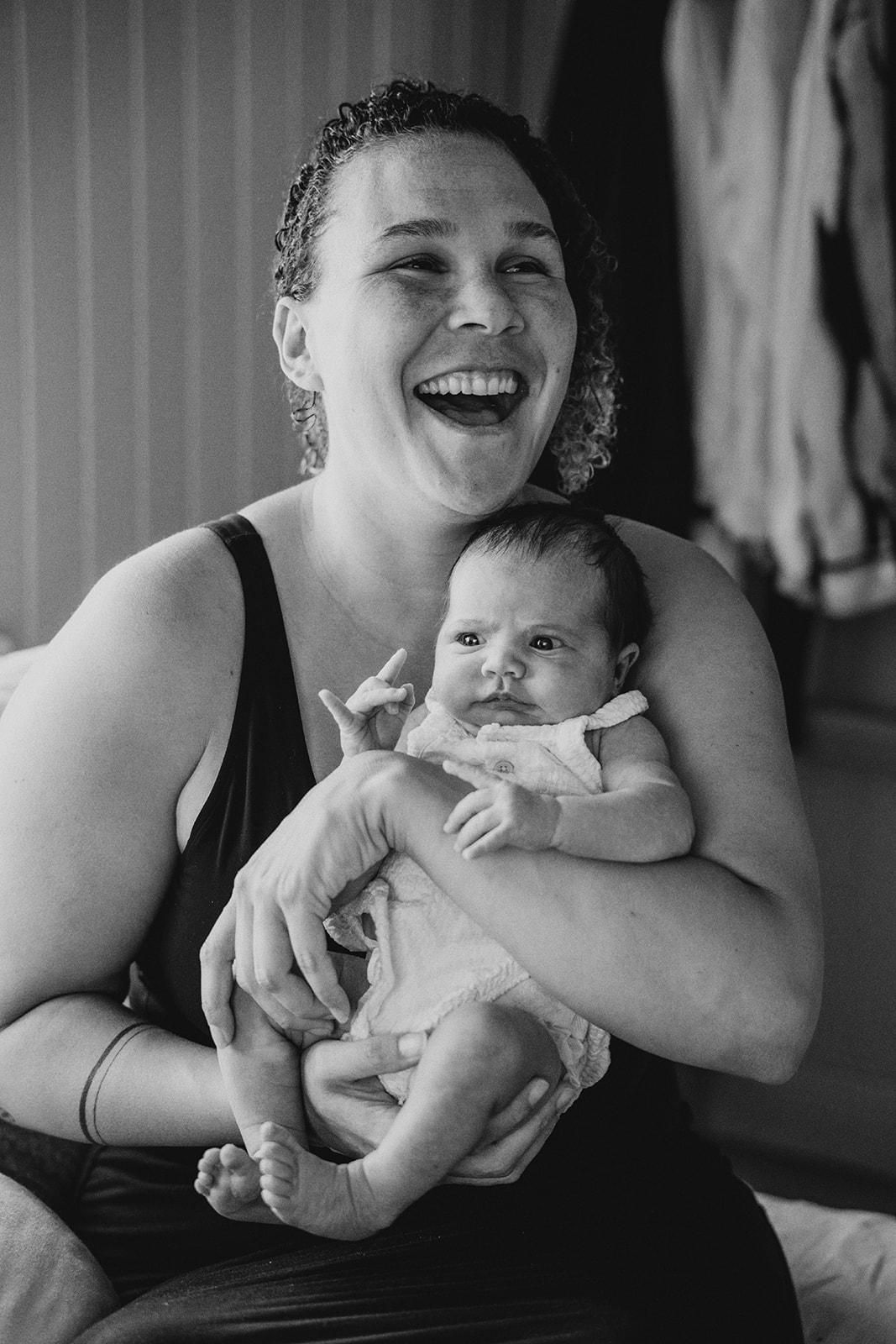
Image of Libby Cook-Black with her daughter
By Libby Cook-Black January 2, 2026
Boundaries aren’t betrayal — they’re architecture. A personal essay on identity, healing, and how your story follows you into sport, work, and life.
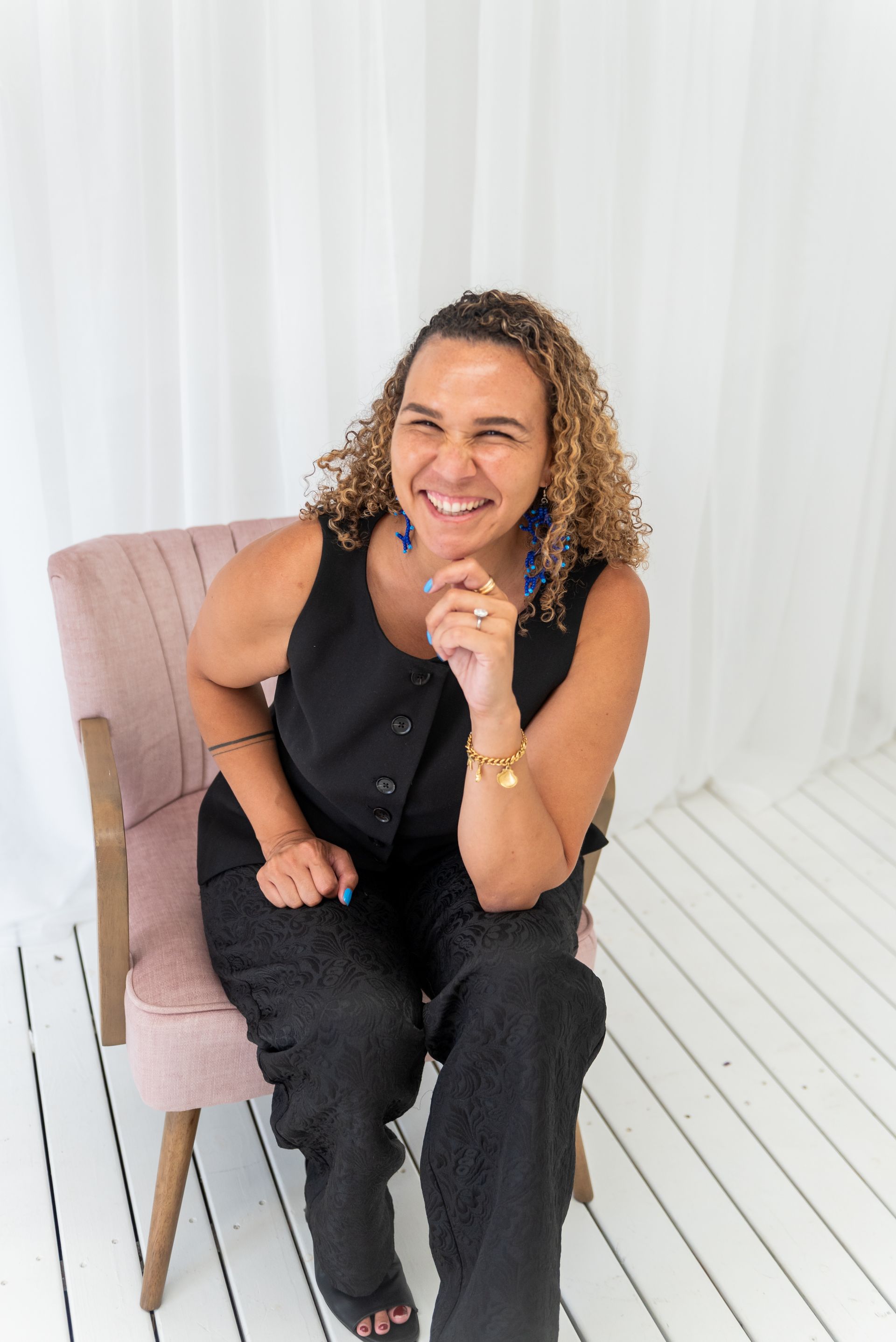
Libby Cook-Black sits smiling in pink chair. White background
By Libby Cook-Black December 26, 2025
A reflection on why women don’t need more preparation — just connection. How community, visibility, and shared support help women start where they are.
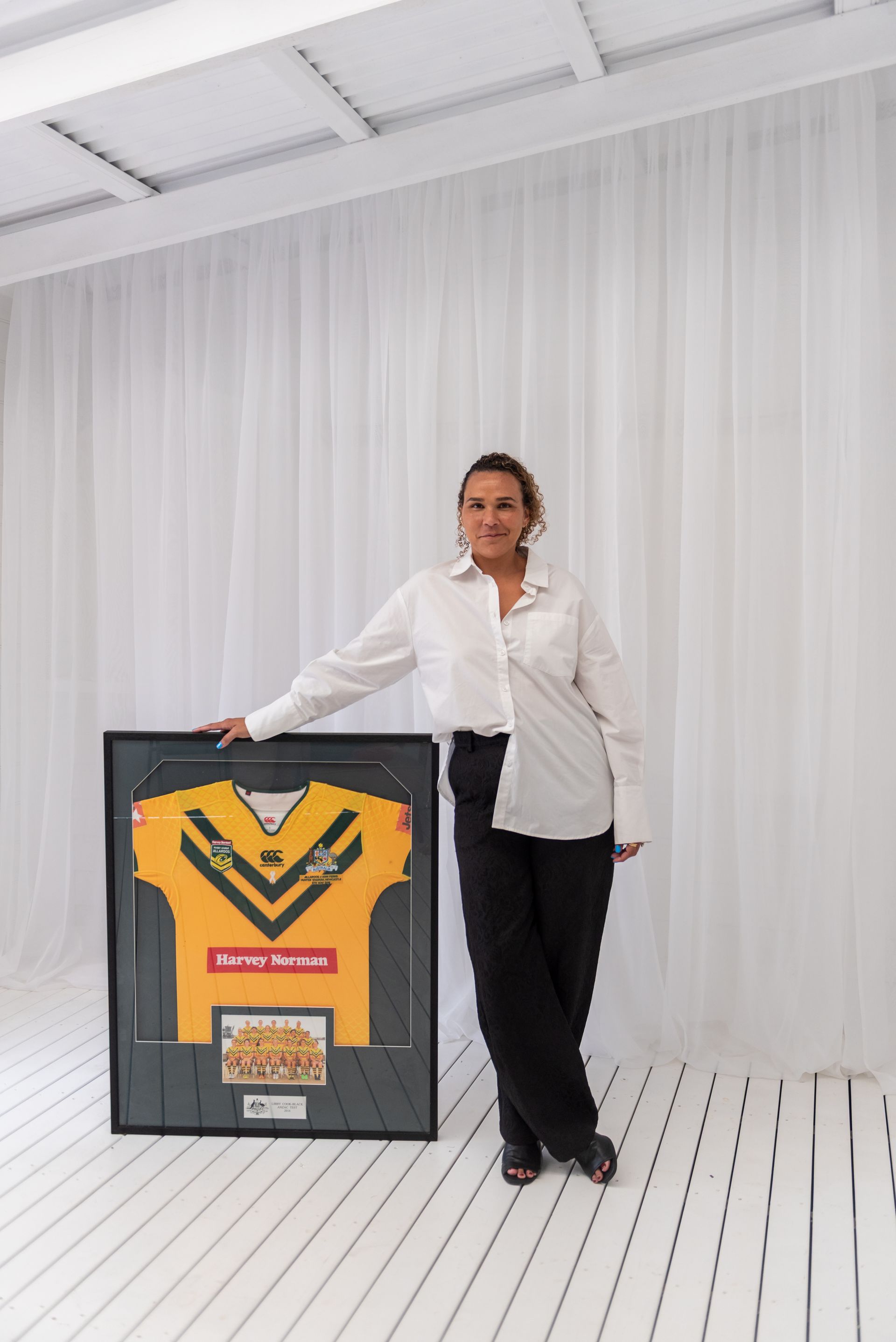
Libby Cook-Black reflecting on her journey in rugby league — the passion, pain, and personal growth it sparked
December 19, 2025
I adore this game. Truly. I wish I had more time in it. I wish little-girl me had the chance to play it when my feet and dreams were still growing. I wish I had a longer career, more seasons, more jerseys, more moments on that grass. Because for where I come from, rugby league is more than sport. It is identity, belonging, healing. It holds stories, families, and memories of those we’ve lost. It unites communities in a way that feels almost spiritual. But I cannot write about the passion without telling the truth about the pain. Because rugby league, for me, carries both. I’ve seen the beauty of this game, the pride of watching entire communities gather to bless jerseys, cook meals, sew banners, and honour those who came before us. But I’ve also felt the other side, the side no one puts in the highlight reels. The side where celebrations turned into chaos. Where alcohol fuelled more than just team songs. Where violence crept into the spaces that were meant to be safe. Where pain wasn’t just in the losses on the field — but the ones that happened after the final whistle. I can’t write this pretending I’ve always stood outside it. There were times I was in those spaces too, sometimes trying to belong, other times trying to avoid feeling the weight of old memories. Sometimes I found healing in the sport. Sometimes I hid inside it. Sport can be both, a place to heal and a place to hide. That’s the truth I’ve come to hold with compassion. And as much as I love this game, I’ve had to admit something to myself It hasn’t always loved women back. Not in the changerooms. Not in the policies. Not in the leadership. Not always in the culture. I don't think I'm alone when I say that while women’s sport is booming, the emotional intelligence of the industry has not grown at the same pace. We have better stadiums, better sponsorships, better jerseys but I still haven’t met many women in sport who say they feel truly at home in it. That’s why I care so deeply about the work I do now. Because building equity in women’s sport isn’t just about facilities, funding, and pathways. It's about building safer spaces, emotionally, mentally, culturally. Spaces where women can step into leadership without feeling they must harden to survive it. Spaces where athletes, coaches, administrators and founders can tell the truth about what this industry costs, and also what it gives. We cannot build a stronger future for women in sport without first asking: How do we take care of the women building it? We need spaces where we can do more than play. Where we can feel. Where we can be honest. Where we can stay soft and still stand strong. Where we don’t just endure the system, we redesign it. One space won’t be enough for all of us. So, we build many. We build healing spaces. Learning spaces. Leadership spaces. Spaces where women can be exact versions of themselves, fierce, tired, joyful, grieving, disciplined, hopeful, and still becoming. That, to me, is why I do this work. 💌 If you’ve ever loved sport deeply and also felt the sting of it If you’ve found your strength because of it but sometimes had to protect your heart from it You are not alone. With Love, Libb
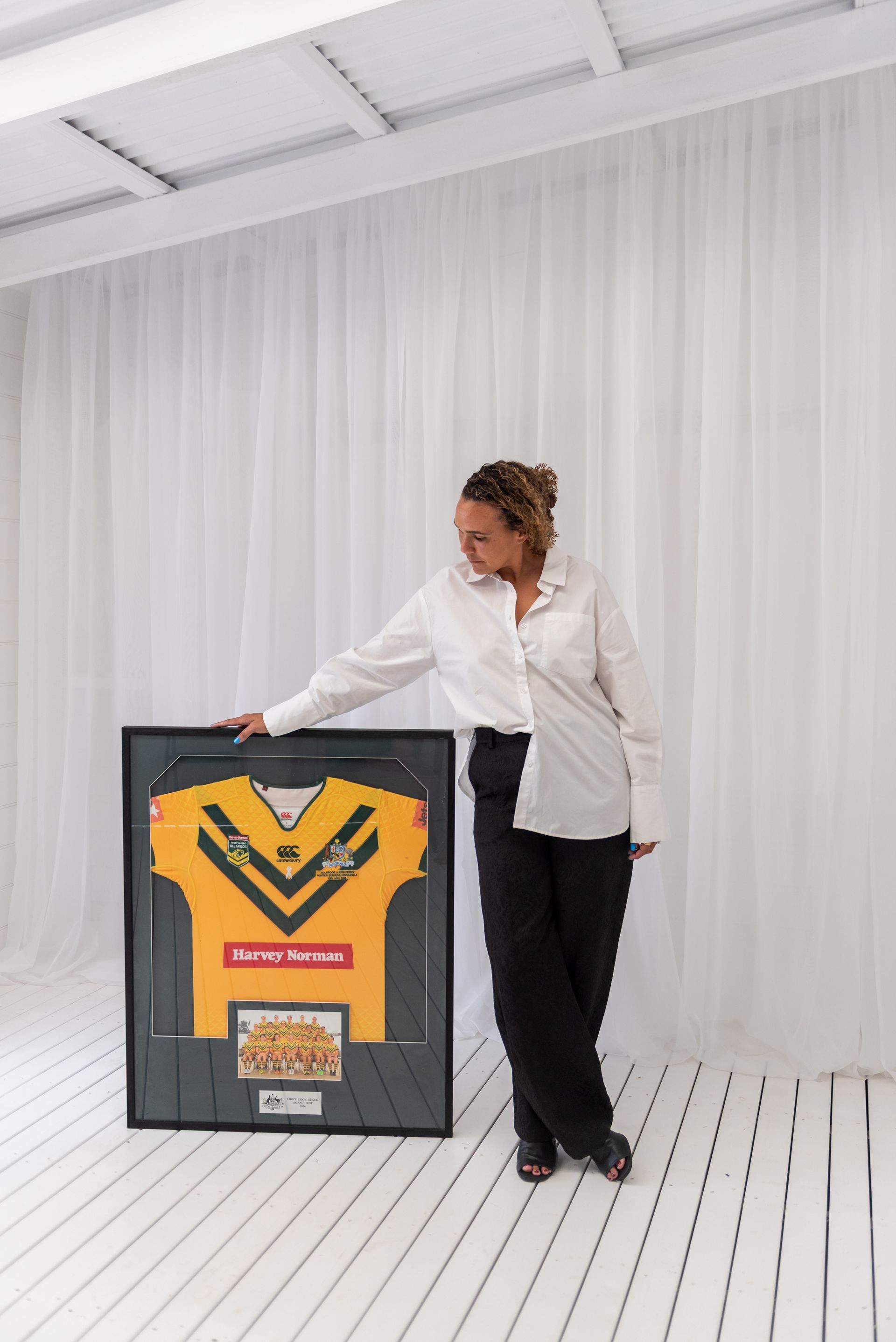
Female First founder Libby Cook-Black combining lived experience and generational knowledge in leadership
November 21, 2025
I built my companies using first nations knowledge systems.

Show More